U
rban
D
emonstrators
Tackling Urban Challenges In Bangladesh’s Expanding Municipalities
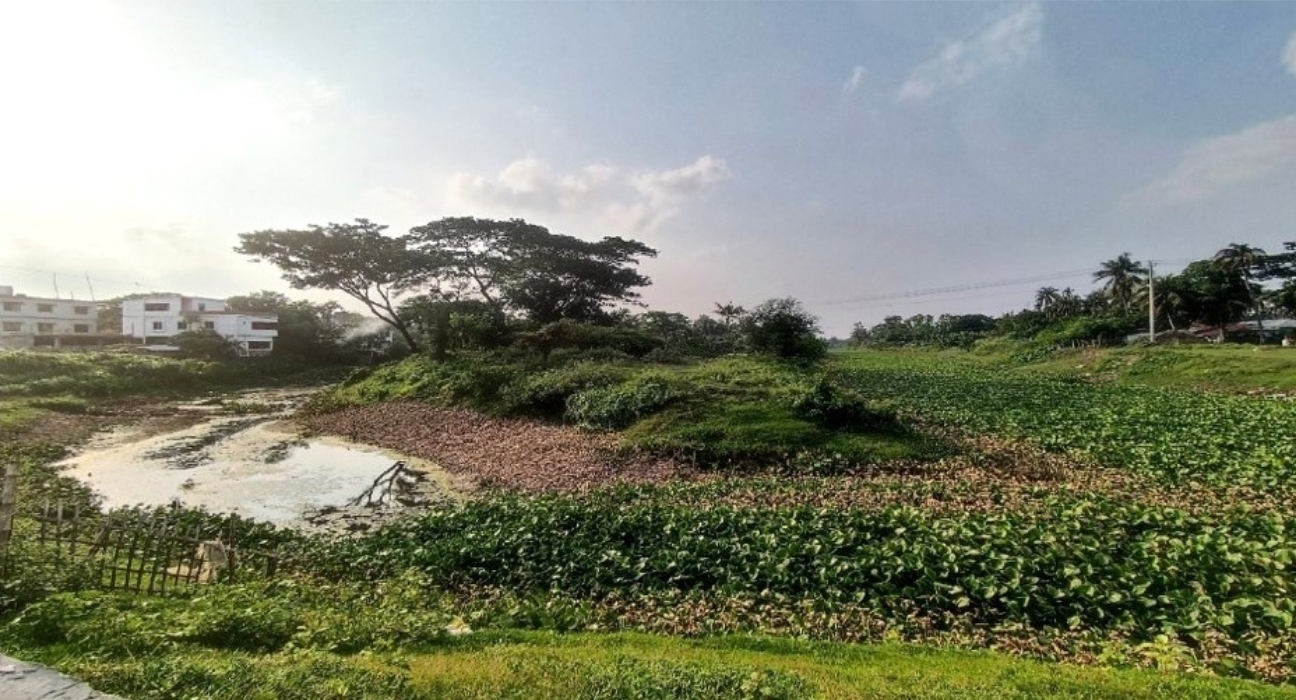
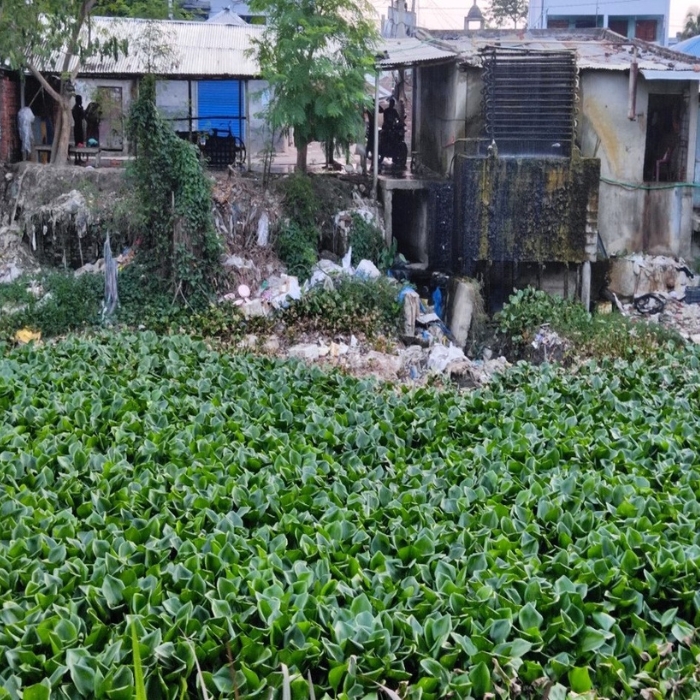
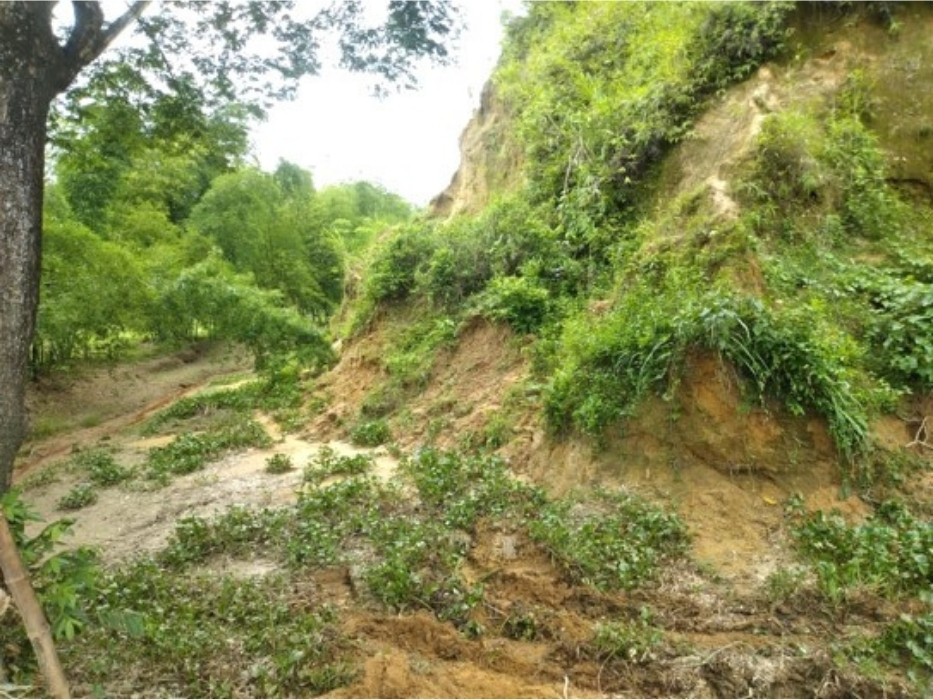
Rapid and largely unplanned urbanisation in Bangladesh has put growing pressure on smaller municipalities, or pourashavas. As populations grew, green spaces disappeared, public areas shrank, and communities became more vulnerable to flooding and other environmental stresses. In Keshabpur, Jashore District, and Raozan, Chattogram District, severe flooding and water management challenges, caused by poor drainage, sanitation, and waste disposal practices, threatened freshwater supplies and raised the risk of flash floods, together posing urgent challenges for the communities.
The Urban Demonstrators Initiative for Climate and Water Resilient Urban Infrastructure in Bangladesh is designed to accelerate practical improvements in places where communities cannot afford to wait 5 to 10 years for large-scale infrastructure. By restoring and preserving public spaces, the initiative strengthens water storage, cleaning, cooling, and the maintenance of urban infrastructure to improve flood resilience and urban liveability. At the same time, it supports Bangladesh’s Delta Plan 2100 by linking on-the-ground action with broader national climate resilience goals. Through the integration of Nature-based Solutions, practical capacity building, and innovative financing, the initiative presents a scalable model for sustainable urban development in Bangladesh.
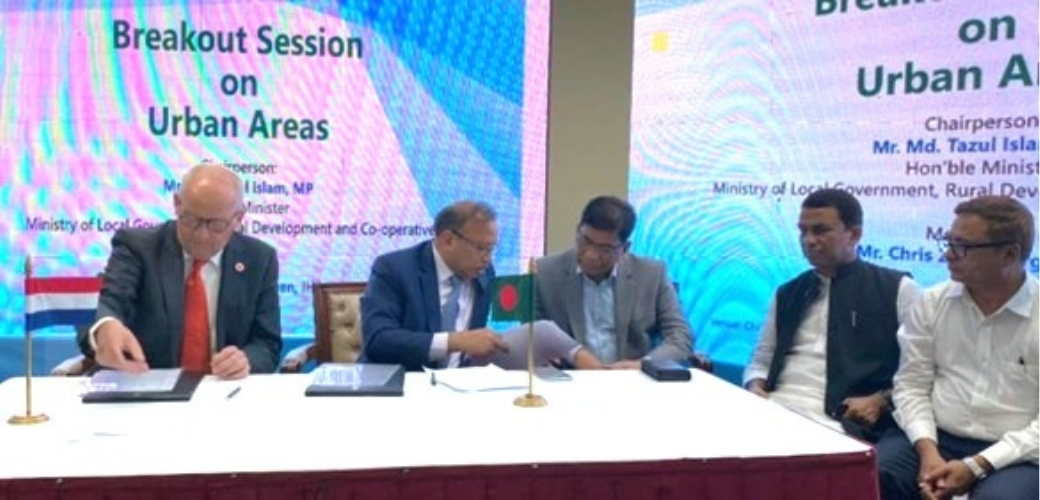
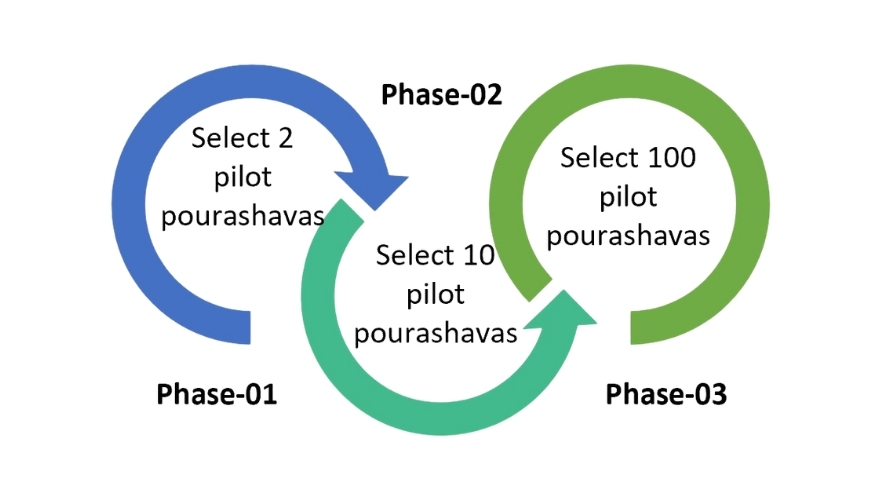
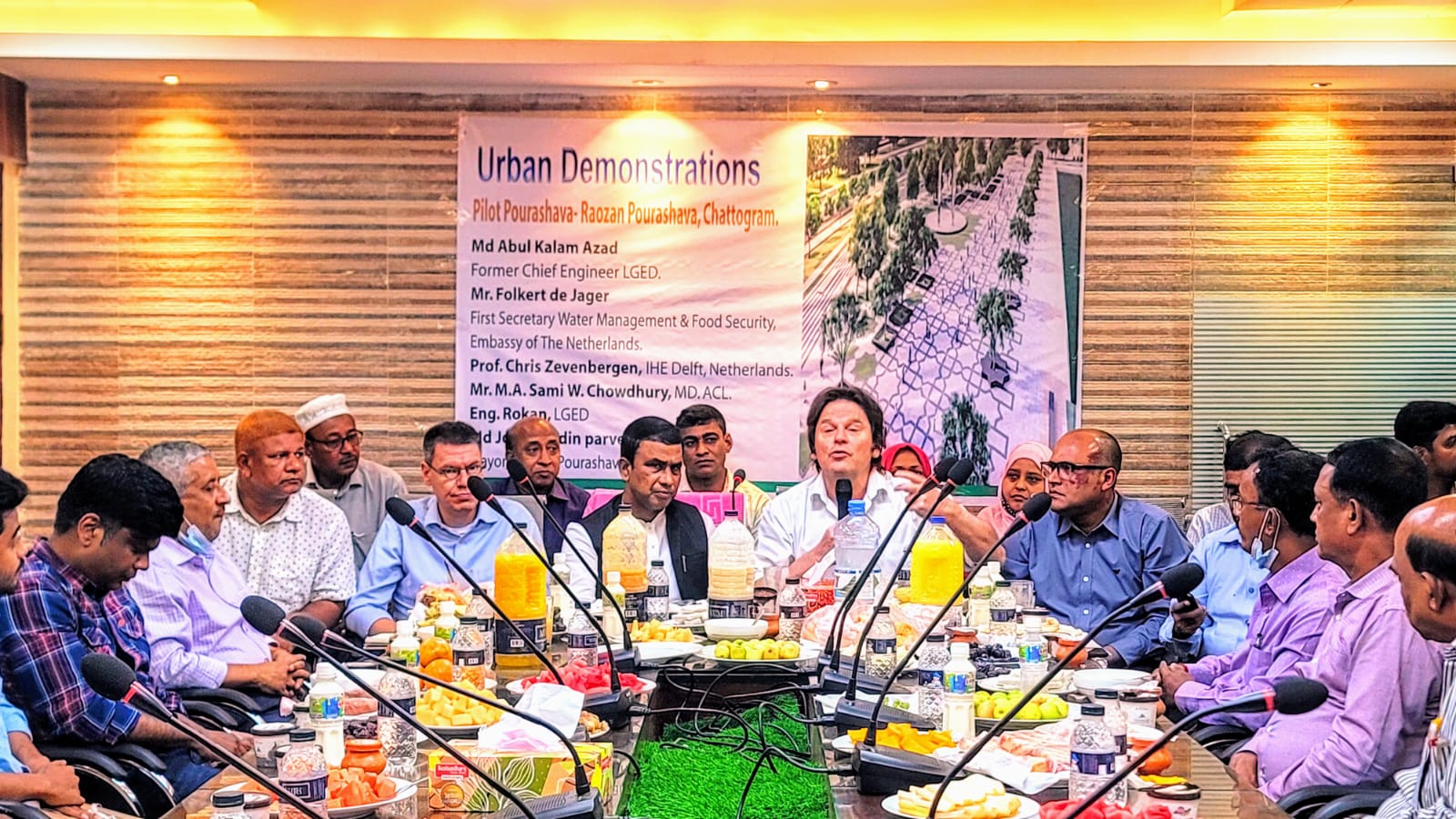
The Urban Demonstrators Project was officially launched at the International Bangladesh Delta Plan 2100 Conference in Dhaka in May 2022. Under the Partners for Water programme, it was implemented by IHE Delft, the Netherlands, and Altec Consultant Limited (ACL), together with other collaborating partners, with pilot interventions in Keshabpur and Raozan. Built on action-based research, the approach is designed to guide similar efforts in 100 other municipalities in the coming years. By focusing on horizontal upscaling, the initiative moves beyond isolated projects, promoting practical solutions that can be replicated widely to strengthen urban resilience and sustainability.
Overcoming Barriers To Sustainable Urban Development
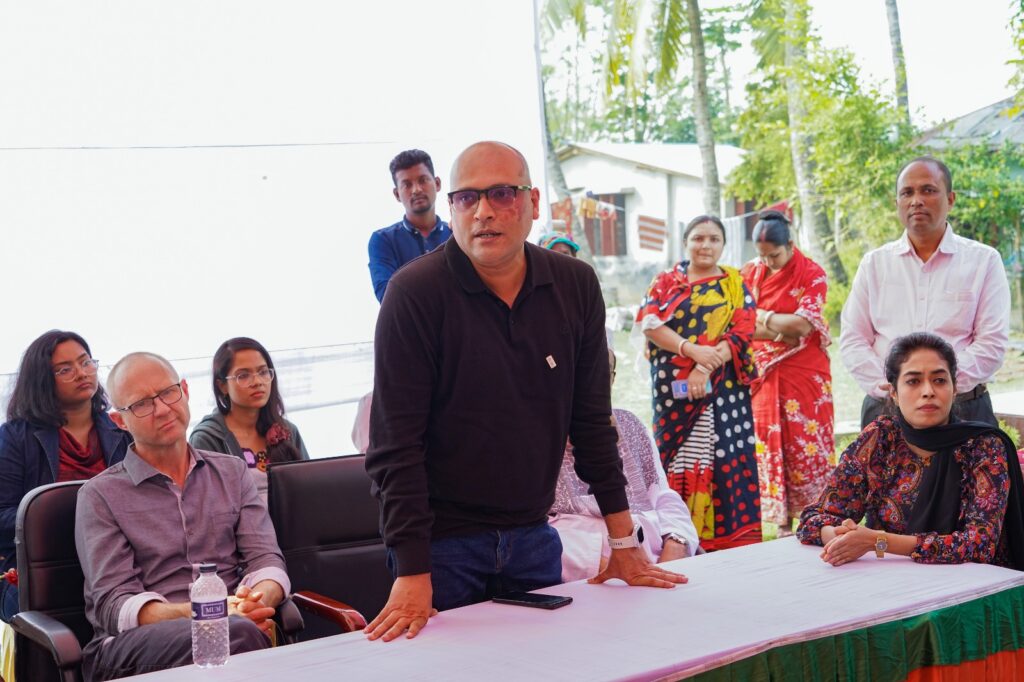
Sami W. Chowdhury, managing director of ACL and project leader of the Urban Demonstrators Initiative, said that addressing these interconnected challenges is crucial for the well-being of Bangladeshis living in these areas and for the long-term sustainability of the environment. Yet, many local governments lack the financial resources and community engagement needed to tackle these problems directly, so they often turn to donors for support. Securing the large amounts of funding required for large-scale urban infrastructure projects is a slow and difficult process for smaller municipalities, and few succeed in raising the necessary funds.
Projects at this scale, while vital, often take years to get approved and even longer to implement. “In our country, these large-scale infrastructure projects are subject to extensive bureaucratic procedures, which can significantly delay their implementation. The approval process is complex, requiring multiple stages of review and authorisation, resulting in a lengthy timeline before projects can commence,” he added.
As a result, infrastructure improvements do not happen as quickly as they are needed. In some cases, more than a decade passes before the pourashavas see meaningful change. Meanwhile, residents continue to suffer from inadequate urban services for water and waste management, and from the lack of parks and other green, natural areas in their neighbourhoods.
Empowering Communities To Lead Change
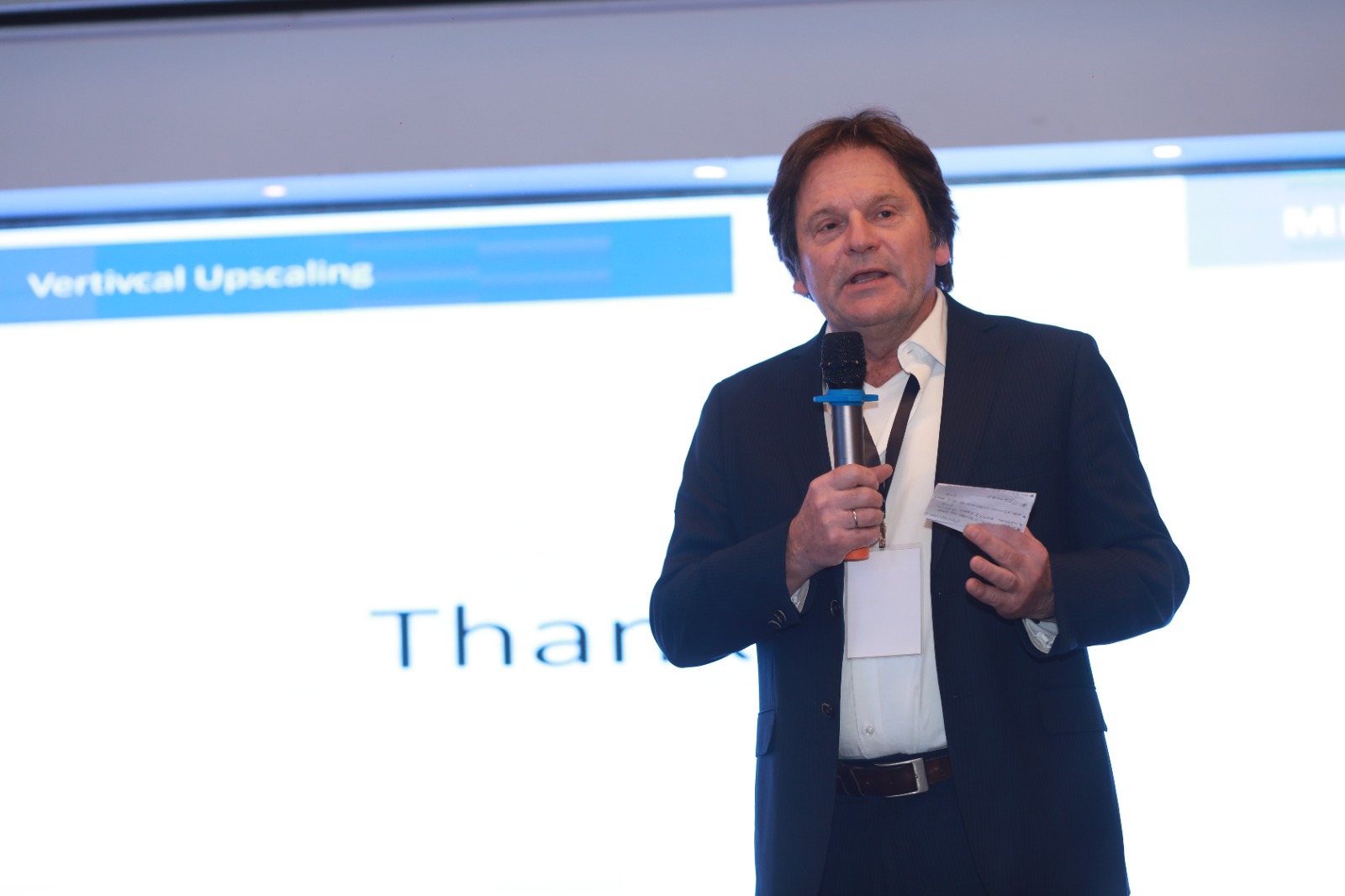
Chris Zevenbergen, advisor to ACL and former Professor of Flood Resilience of Urban Systems at IHE Delft, said, “This funding model challenges the idea that only large sums of money are needed to improve urban environments. Instead, it empowers local communities to take ownership and participate in the development process by co-designing, co-financing and implementing small-scale, climate-resilient infrastructural improvements.”
The approach empowers cities, their communities, and environments to drive their own development through tailored interventions. By rapidly scoping and implementing projects within a year, it establishes a scalable model that can be replicated across Bangladesh, encouraging citizen participation, creating more liveable cities, and building trust between communities and local governments.
Key Features Of Urban Demonstrators
Strong community engagement and co-creation with local stakeholders
Rather than imposing solutions, the project actively engages local residents and municipal leaders in co-creating interventions through a design-based approach. This ensures that each intervention reflects the community’s needs and priorities, while also fostering a stronger sense of pride, ownership, and shared responsibility for the project’s outcomes.

Focus on small-scale, rapidly implemented interventions
The project prioritizes small-scale interventions that can be implemented quickly and yield immediate, visible improvements. Unlike large projects that may take years to come to fruition, these targeted efforts respond rapidly to pressing community needs. By demonstrating results within a short timeframe, the interventions help build community confidence in the process and create momentum for future initiatives.

Use of local materials and workforce
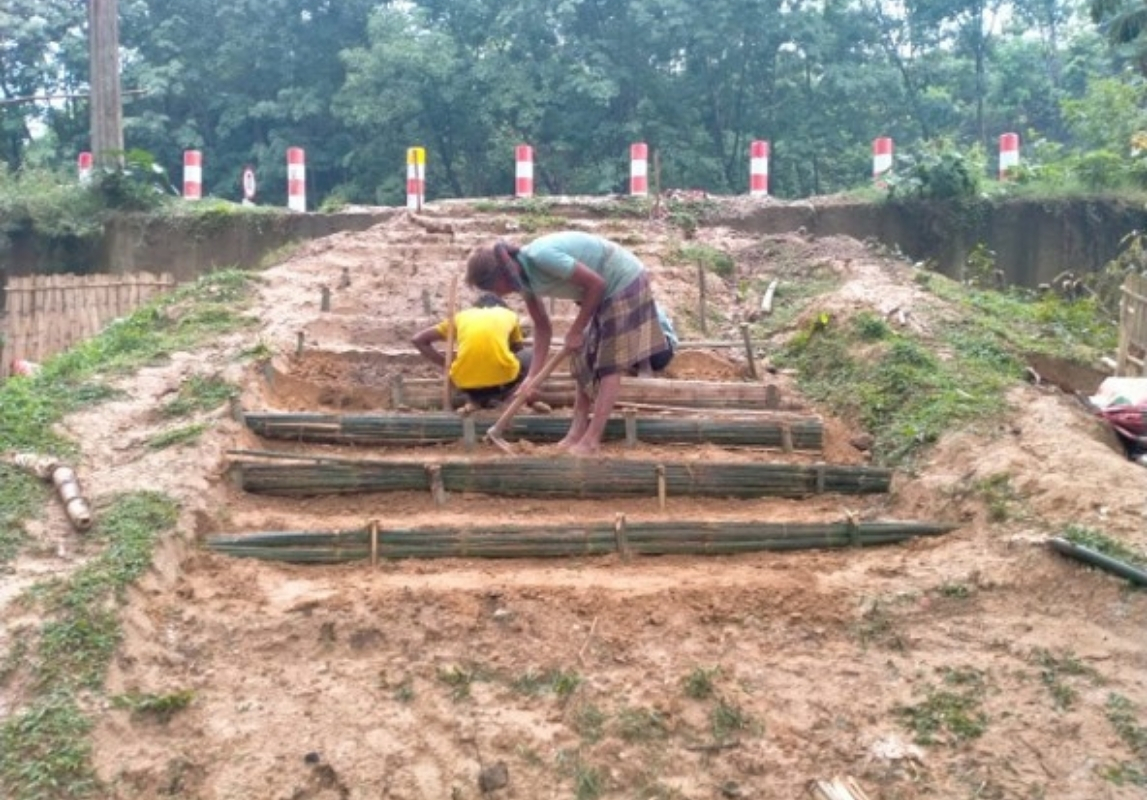
Urban Demonstrators’ decision to rely on local materials and workforce is a significant aspect of its success. By sourcing materials locally and employing local residents, the project not only reduces costs but also strengthens community ownership and participation. This approach ensures interventions are culturally relevant and well-suited to the local environment, supporting long-term sustainability. Moreover, the use of local resources not only lowers the project’s environmental footprint but also bolsters the local economy, further embedding the intervention within the community.

Training and capacity-building activities
Beyond tangible infrastructure improvements, Urban Demonstrators places strong emphasis on training and capacity-building for local stakeholders. By offering workshops and hands-on experience, the initiative enhances the skills and knowledge of local residents and officials. This training equips community members to maintain and replicate the project’s successes in the future. As they become more adept at managing their environment, local stakeholders gain the capacity to lead their own sustainable development initiatives.

PILOT PROJECTS
Kehsabpur, Jashore District
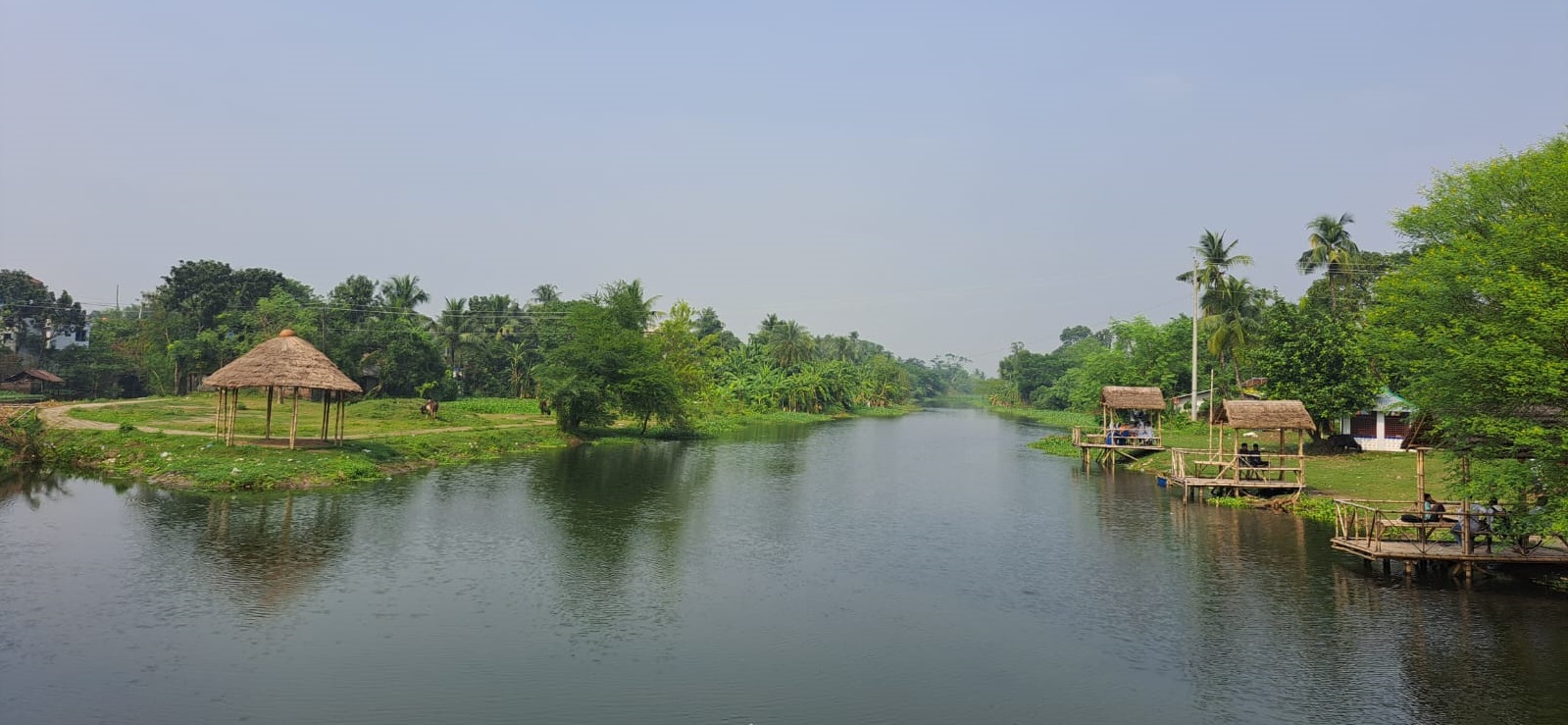
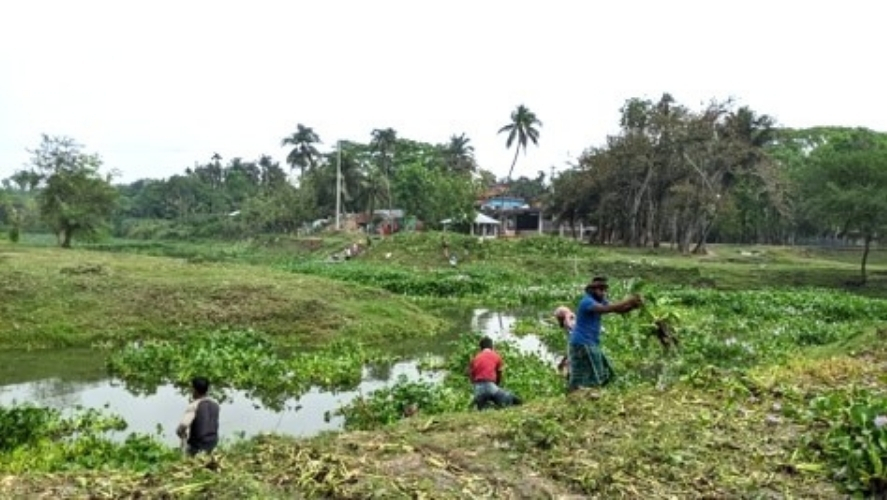
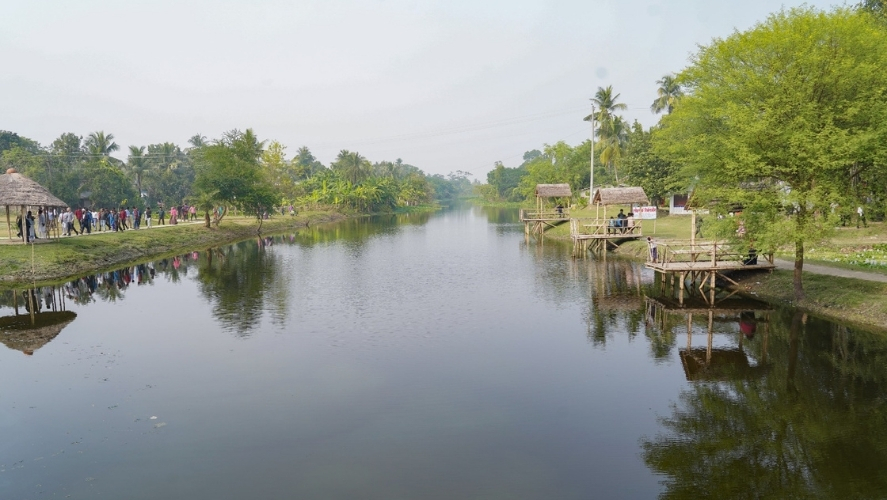
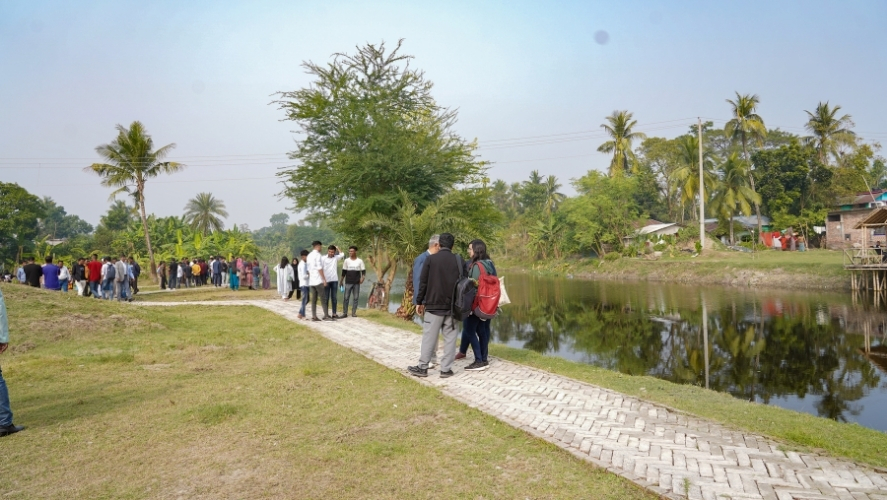
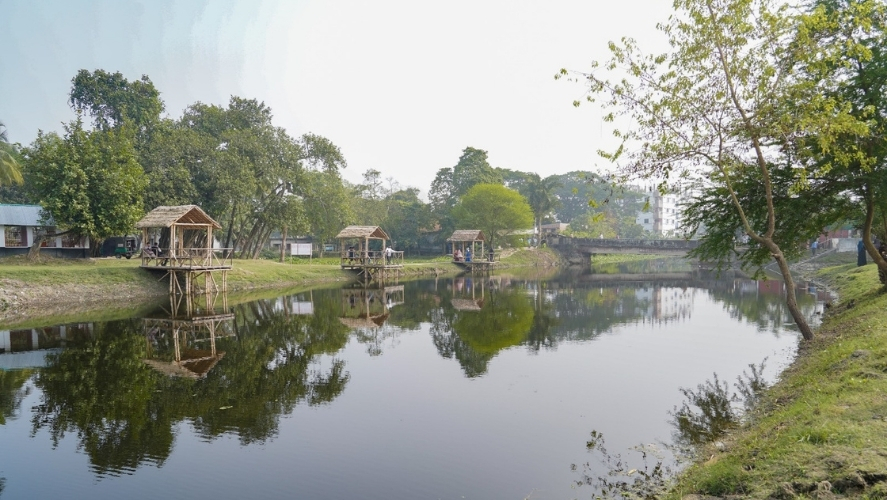
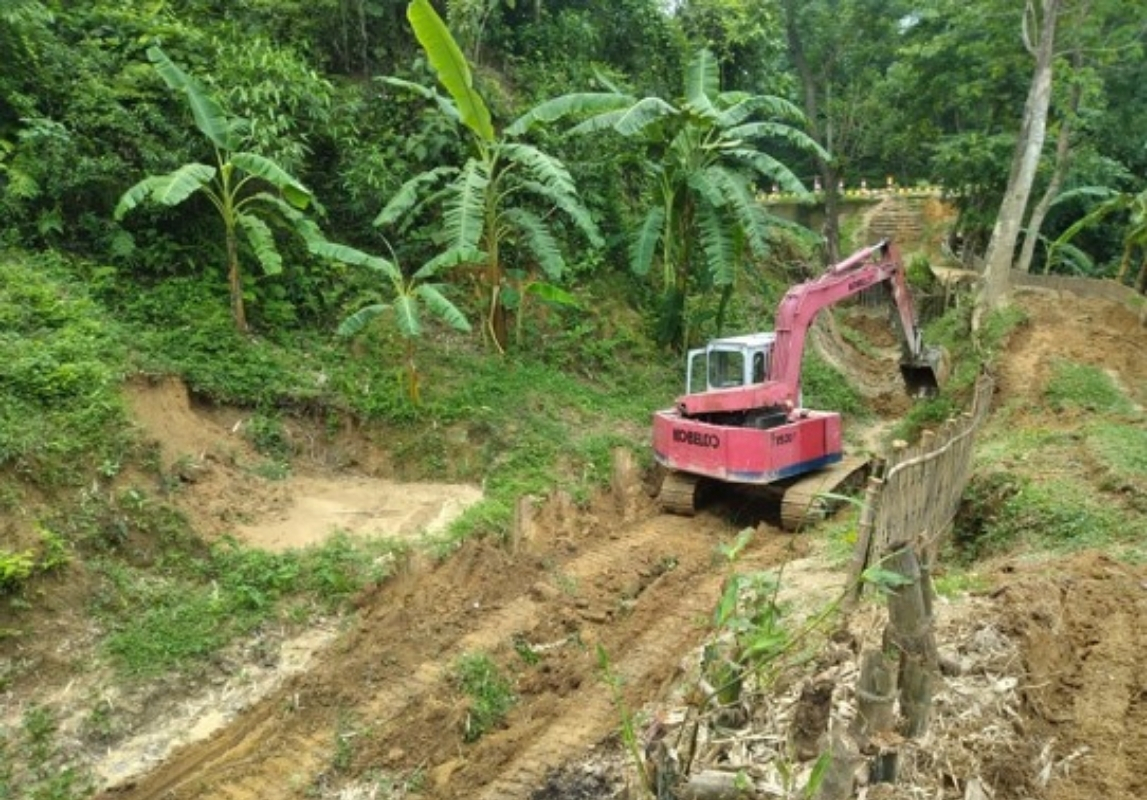
In the first pilot project, a polluted river flowing through the Keshabpur centre was cleared of dense water hyacinth and solid waste that blocked its flow and caused flooding during the rainy season. The community came together to transform the area into a multifunctional green waterfront, where families can relax, socialize, and enjoy leisure time. By restoring water flow, creating a functioning floodplain, and improving water management, the project has significantly reduced the risk of flooding while simultaneously providing residents with clean air, a healthier environment, and better mental well-being along with a sense of ownership.
Raozan, Chattogram District
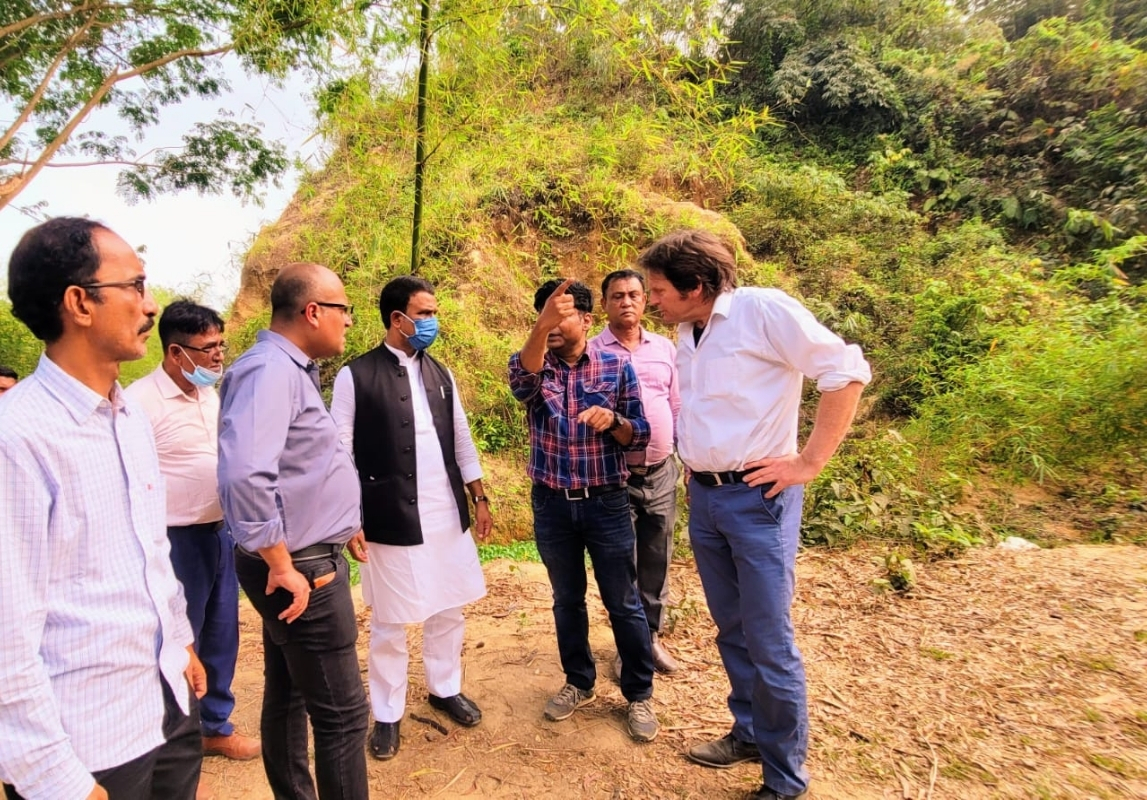
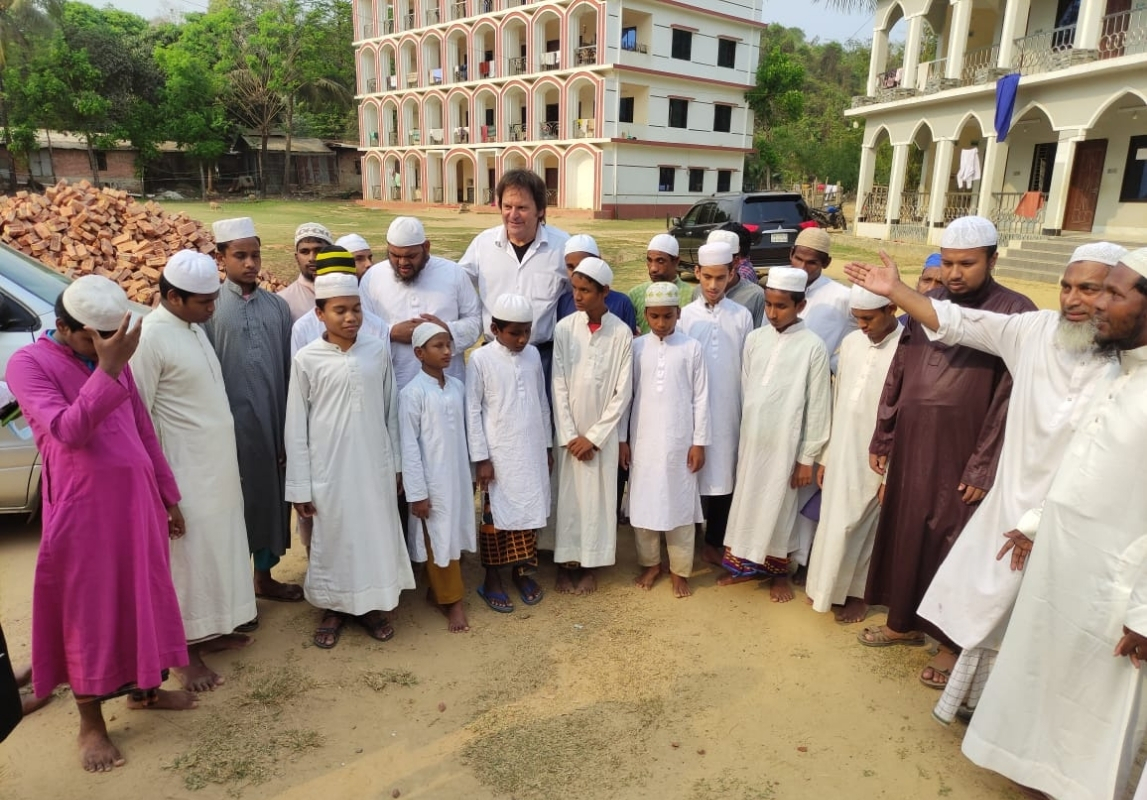
The second pilot intervention protected a hilly forest in Raozan from further urbanisation, which had threatened the freshwater supply for local farmers downstream and increased the risk of flash floods. The Urban Demonstrators supported the community in transforming the area into a multipurpose recreational park with water retention features that help prevent flooding. The park includes seating, walkways, and bridges, and is thoughtfully designed to meet the needs of visually impaired children from a nearby school. A shaded shed provides a space for local youth to gather, socialize, and participate in learning activities.
UPCOMING PROJECTS
Boalkhali, Chattogram District
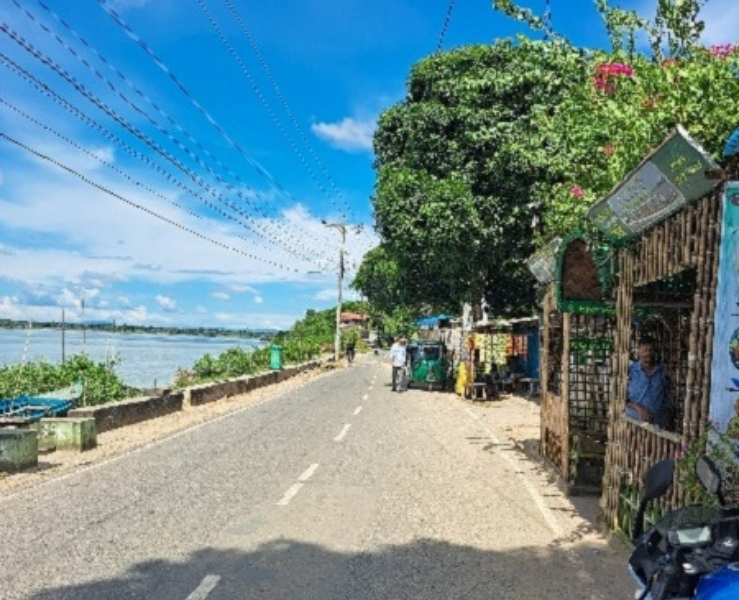
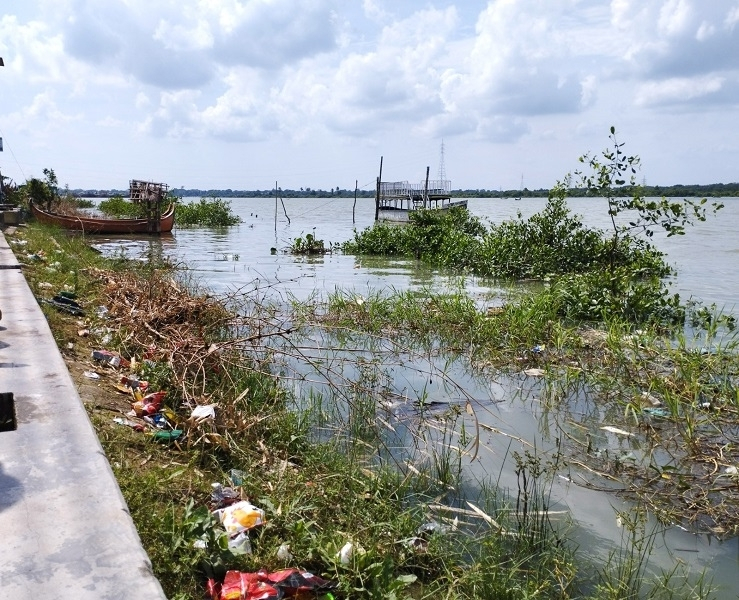
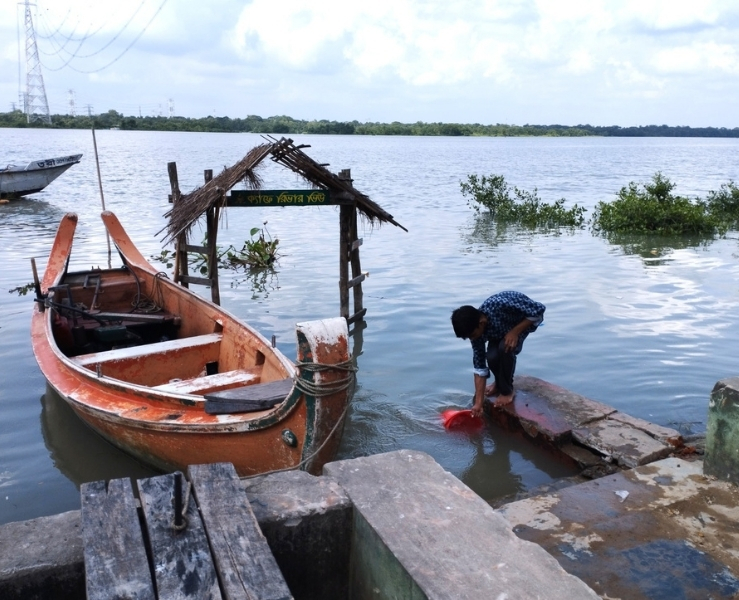
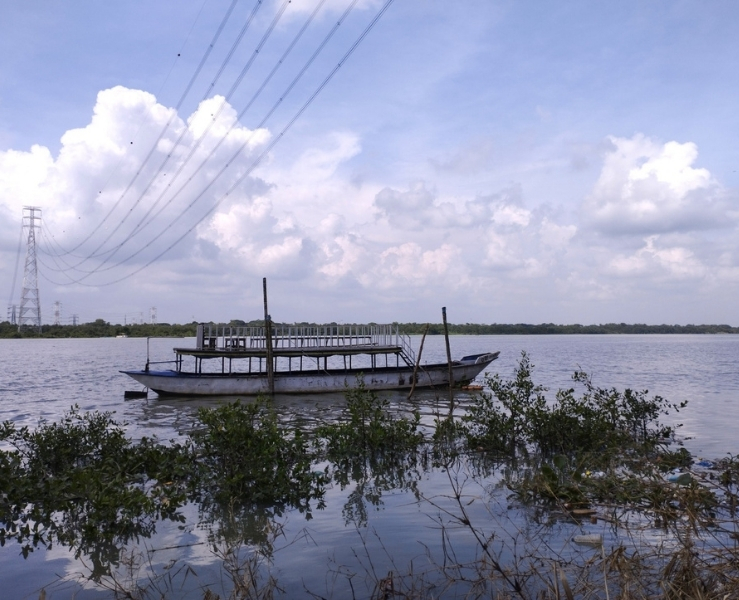
Boalkhali is an upcoming Urban Demonstrators project along the Karnaphuli River in Kandhurkhil Union. The area is already used informally for recreation but remains unorganized and exposed to overtopping waves during storms, affecting nearby streets, restaurants, and facilities.
The Urban Demonstrators approach will transform it into a water-sensitive, well-structured riverfront using nature-based solutions (NbS), improving liveability, strengthening storm protection, and addressing waste management and encroachment risks while supporting local livelihoods.
The design will reflect local culture and identity, include safe and accessible toilets for women, and support regional tourism. Over time, it will improve the embankment, attract more local businesses, and evolve into a vibrant riverside destination, potentially competing with popular spots in Chittagong.
Teknaf, Cox's Bazar District
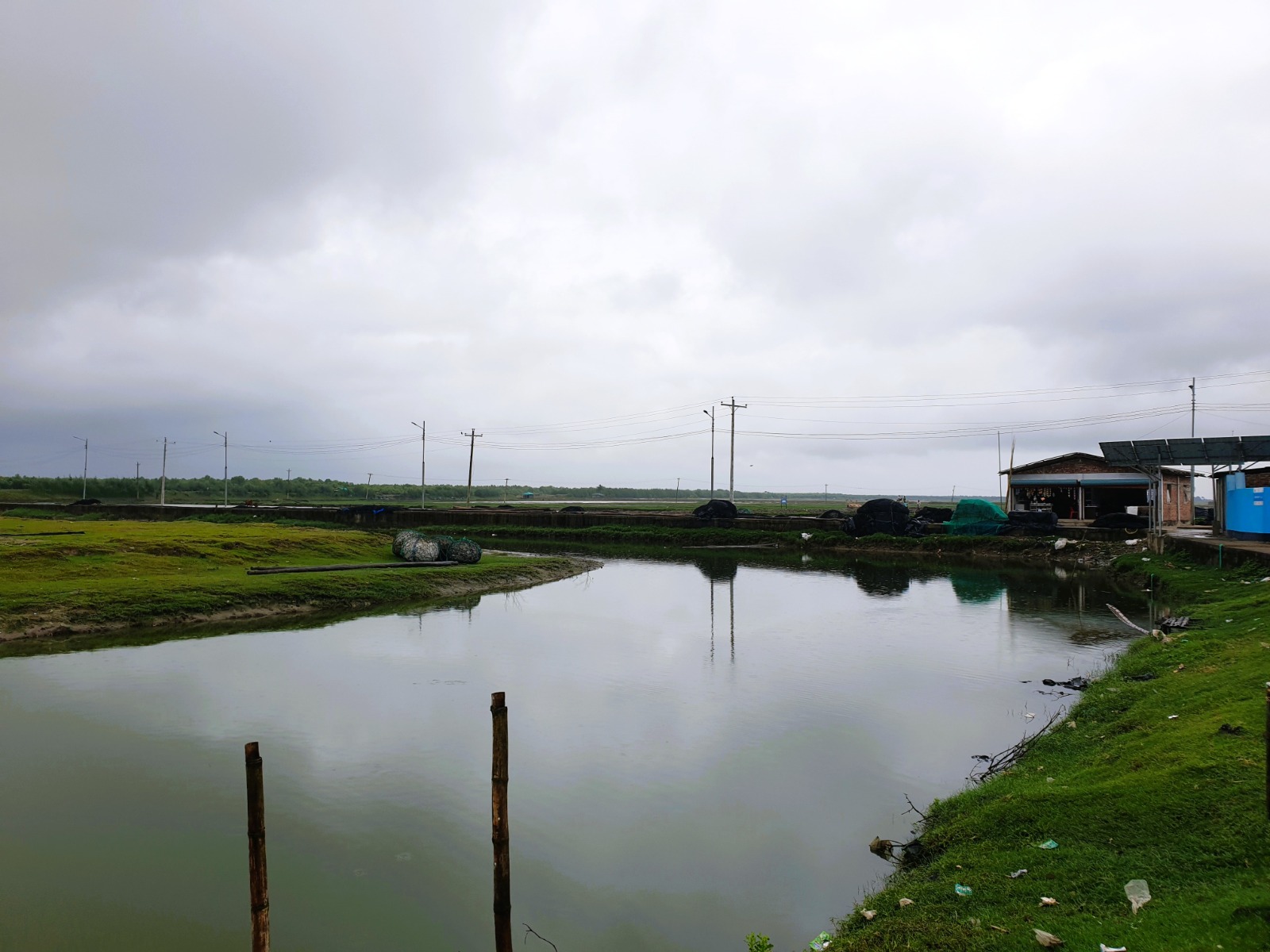
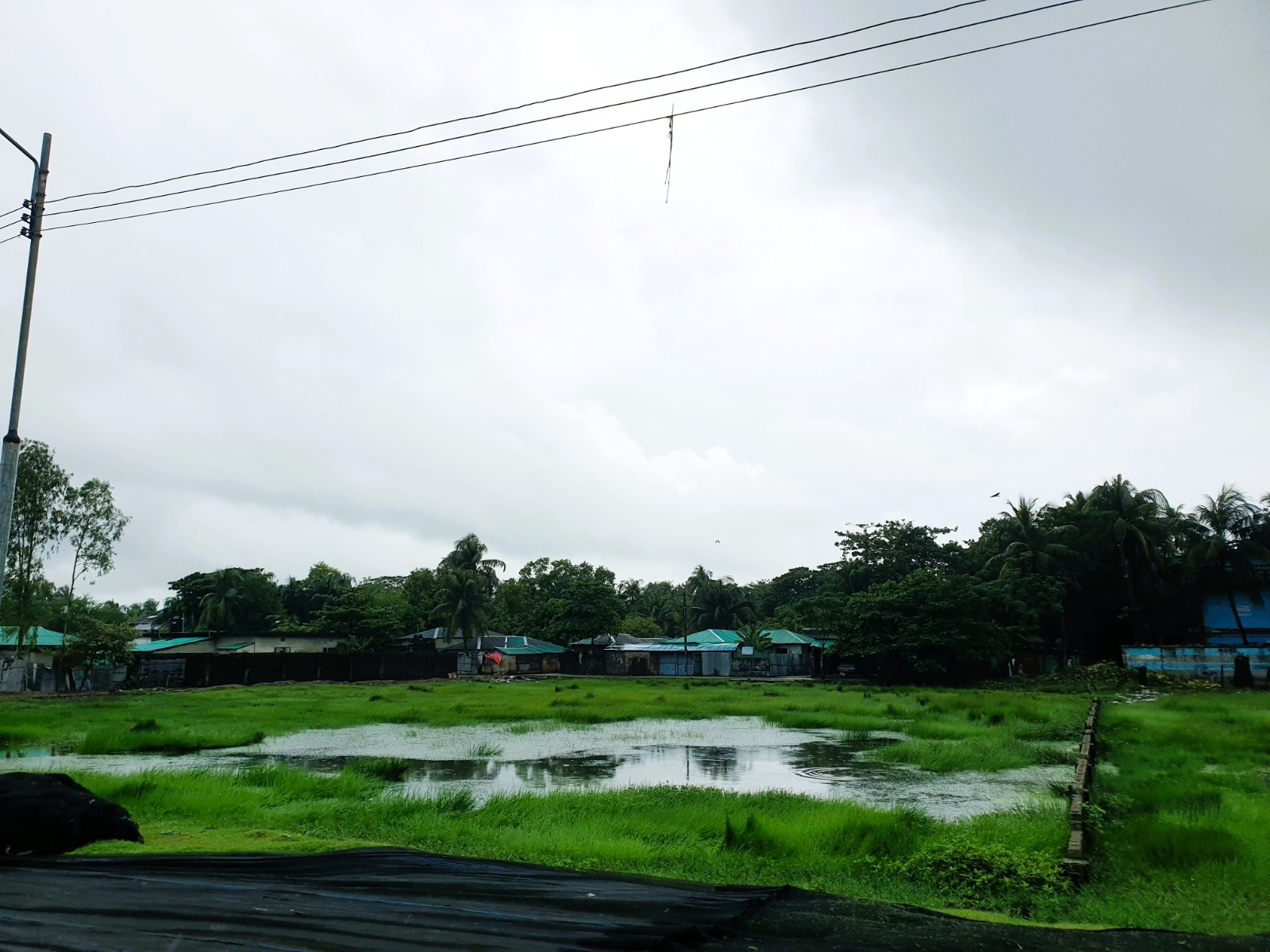
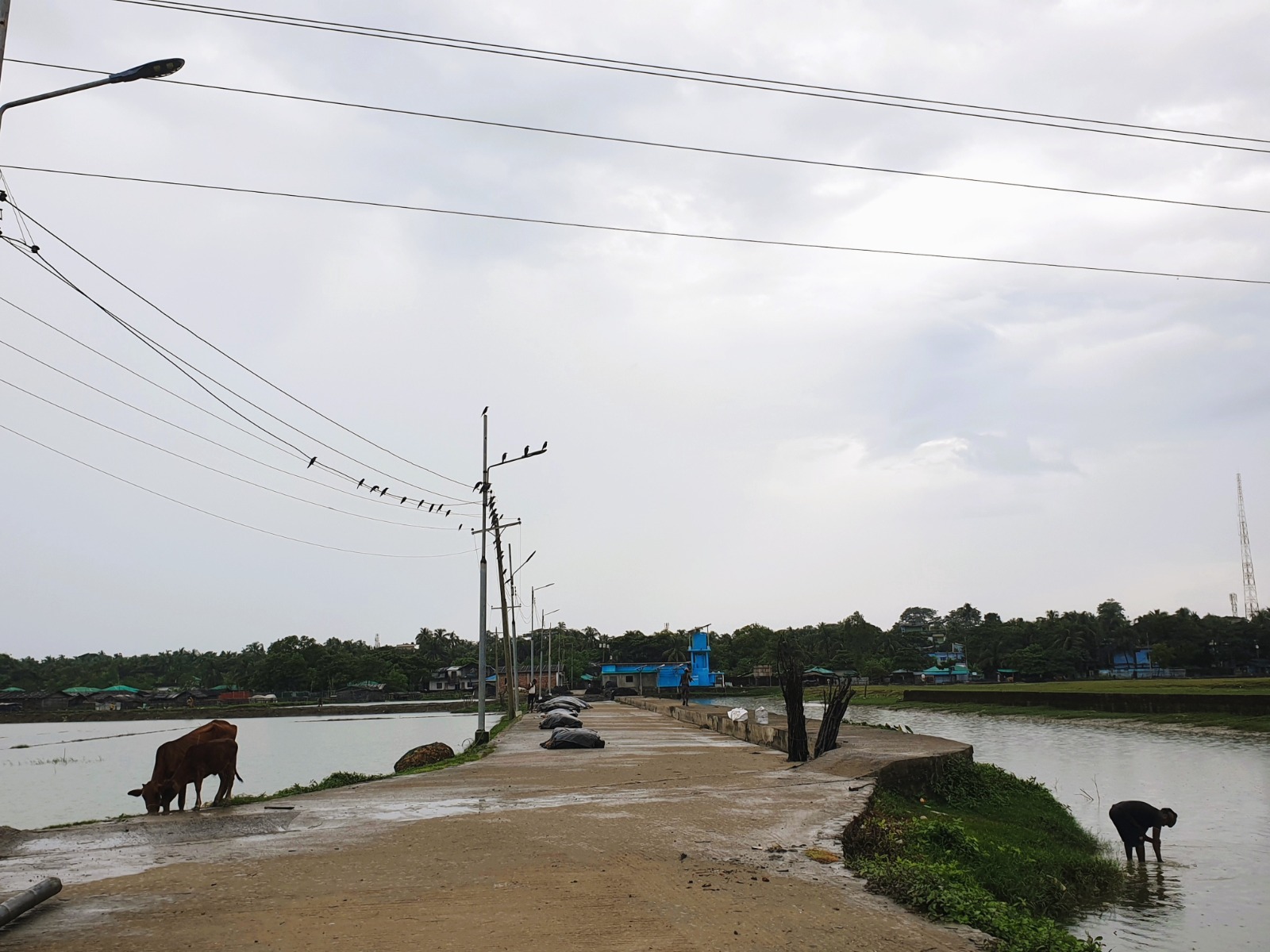
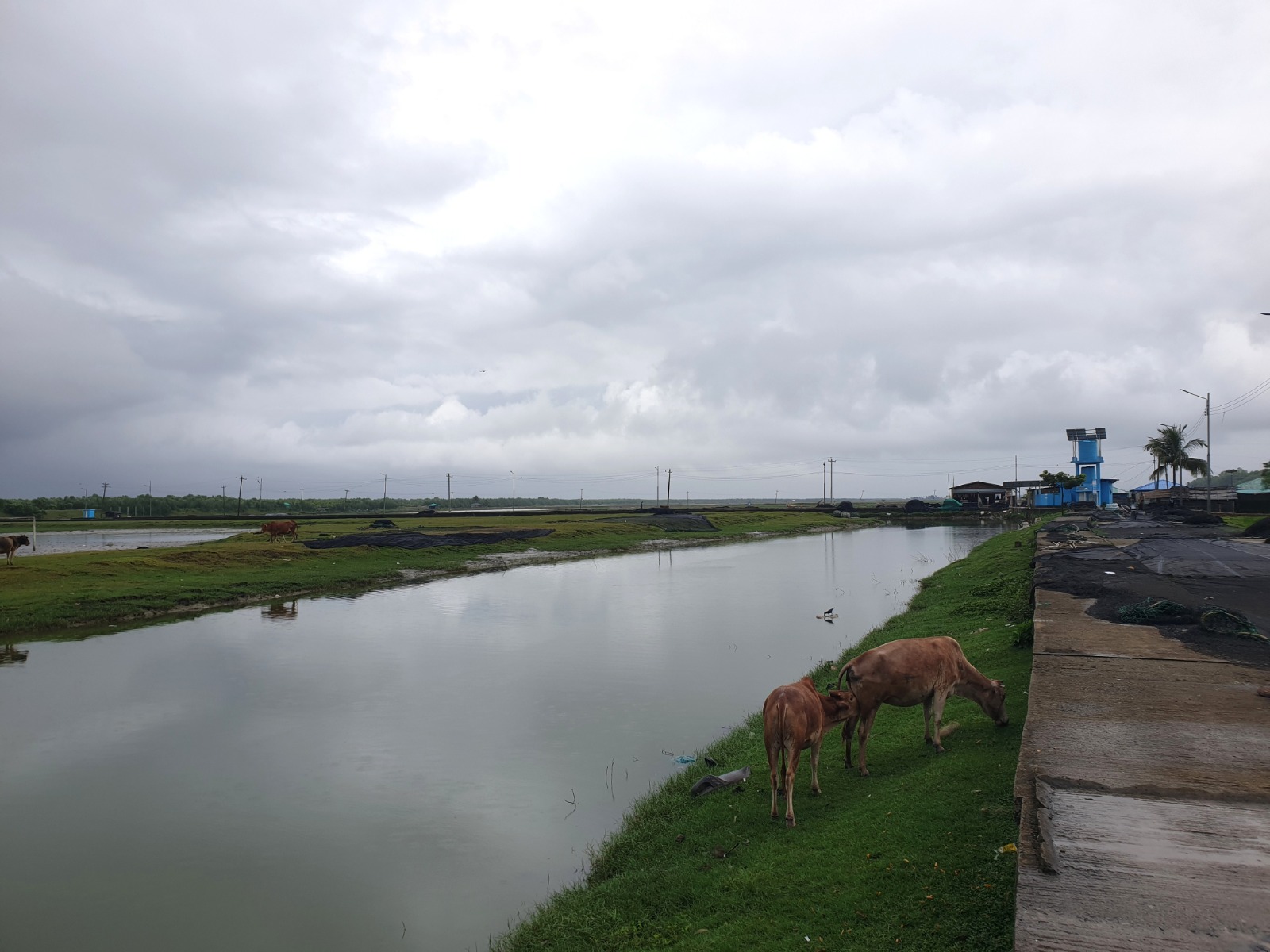
The second upcoming Urban Demonstrators project site is located in Moddhom Jaliyapara, Teknaf. The area includes a surface water treatment plant, nearby land used for salt cultivation, a waterbody and patches of wetlands. Embankments along the Naf River shape this ecologically important landscape, which also supports local wildlife.
The Urban Demonstrators approach envisions a water-sensitive landscape where rainwater is carefully managed through a retention pond and integrated Nature-based Solutions (NbS), with the stored water used only for secondary purposes. The design treats water as a key landscape feature, combining a retention pond, vegetation, and open spaces to create a multifunctional public environment.
This approach enhances liveability by integrating recreation with sustainable water management, ensuring the area remains clean, balanced and environmentally resilient. It also supports waste management practices, strengthens local livelihoods through improved public use and economic activity and contributes to long-term sustainability by making water both a practical resource and a visible, engaging part of the landscape.
Raozan’s Black Soldier Fly and Plastic Recycling Initiatives
Waste in Bangladesh can be more than just discarded materials. It can become a valuable resource and even a business opportunity. With proper waste management, community training and awareness, small scale urban interventions can help the country move toward zero waste, zero plastic and zero poverty. The Urban Demonstrators initiative, led by Altec Consultant Limited and IHE Delft, the Netherlands, has successfully shown on a pilot basis in Raozan Pourashava, Chattogram how effective waste management can be turned into a business model that can be replicated across the country.
The Black Soldier Fly (Hermetia illucens)
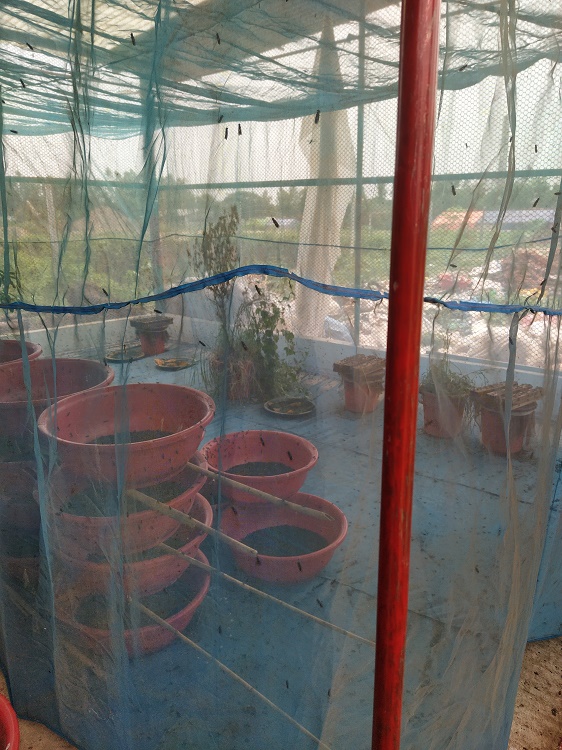
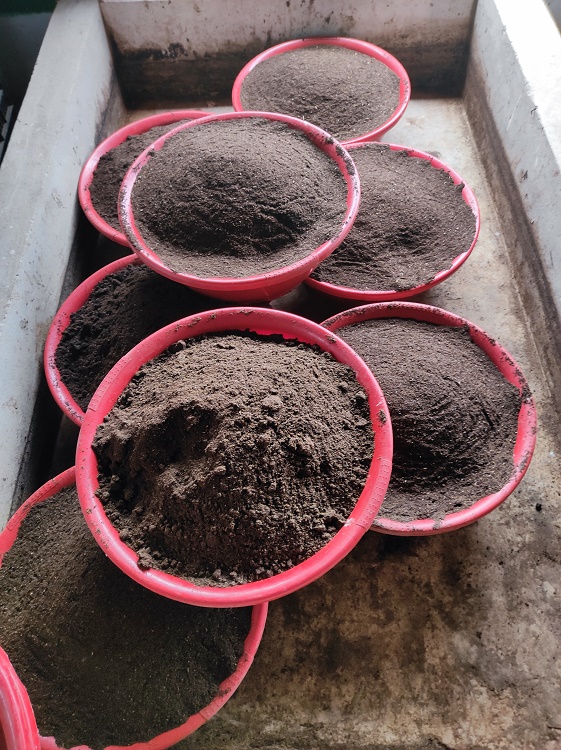
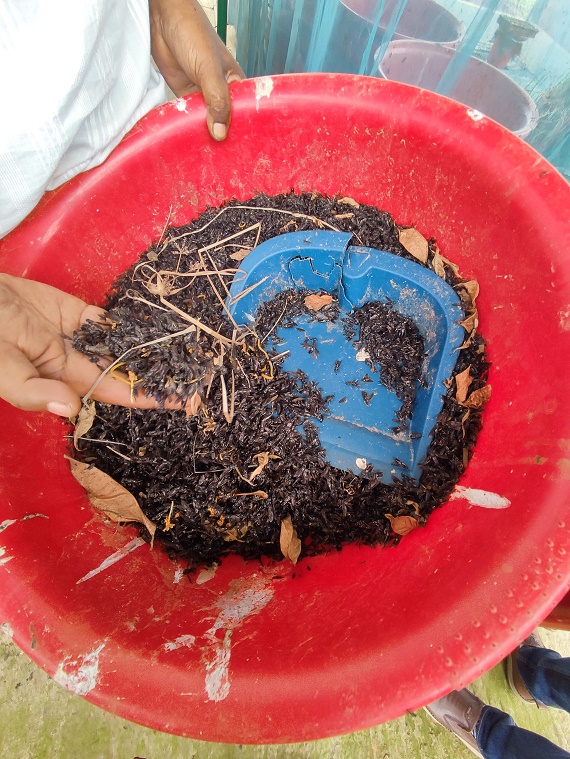
It is a common insect found in many parts of the world and is known for its ability to turn organic waste into valuable resources. Its larvae can transform food scraps and other organic waste into high-value animal feed and compost. This process also brings environmental benefits and strengthens the circular economy. It was one of the Urban Demonstrators’ initiatives to transform kitchen waste in Raozan into a valuable commodity.


Plastic Waste Recycling
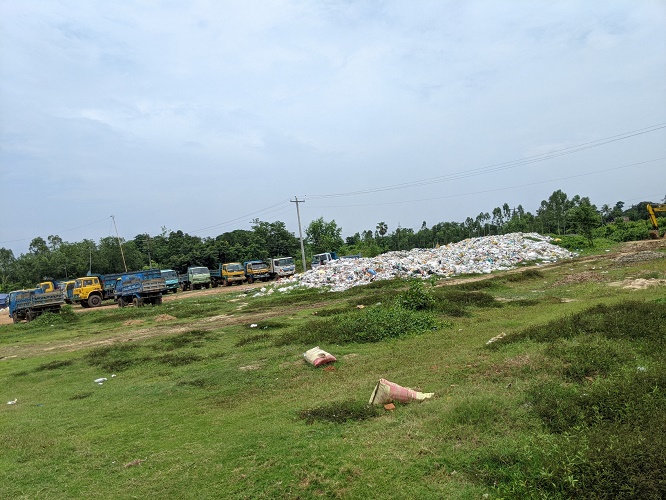
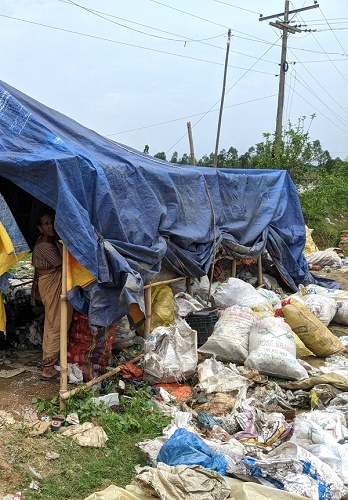
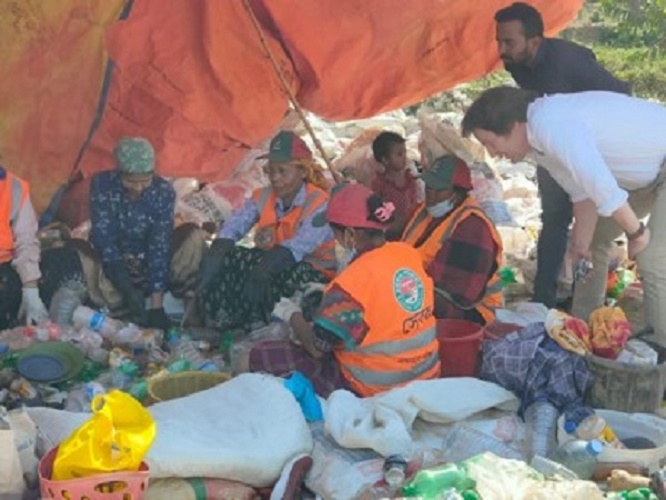
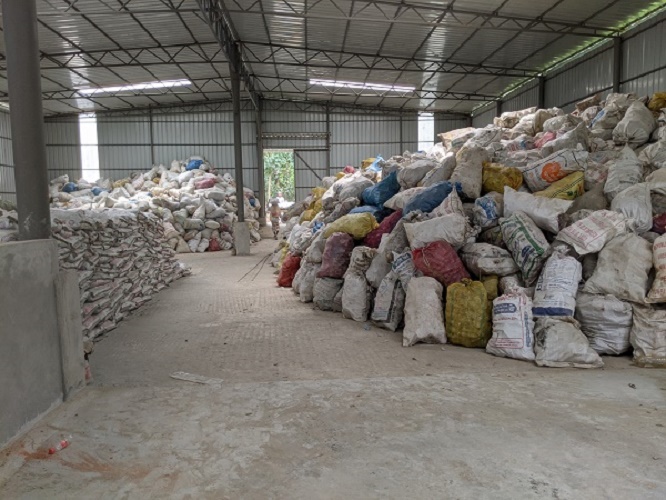
The Plastic Waste Recycling Factory in Raozan shows how business and sustainability can go hand in hand. By collecting, sorting, and recycling plastic, the Urban Demonstrators initiative created income opportunities for marginalized locals, especially women, reduced plastic pollution, protected the environment, and promoted gender equality.